

Corporate identity: what it is and how it benefits you


What is corporate identity?
A relatable analogy would be defining it as the personality of the company, where personality determines what and how things are done, as well as how this is projected outward.
Due to the rise of social media, we can see that this area has expanded into digital platforms, where a company’s online presence is crucial for building communities and spreading its message to the public.


What values make up corporate identity?
As we saw earlier, corporate identity is not a single, isolated element, but rather the total sum of the different components that make up the brand. That’s why it’s important to understand the main areas that influence it:
Mission and vision
It defines the reason for the company’s existence, what goal needs to be achieved, and it serves as a reference that will guide the direction of actions and decisions to be made at all times. It is an element that cannot be changed, as it is the core of the brand. Example: Disney:
"We create happiness by providing the best entertainment to people of all ages, everywhere in the world."
Values
They are the principles or beliefs that make up the brand's philosophy, guiding decisions and behaviors. They form the company’s culture, which is why these values influence all layers of the brand.
Example: Mastercard
Trust: We promote an attitude of openness.
Teamwork: We work as a team for the benefit of all.
Agility: We have a sense of urgency and deliver value through innovation and execution.
Initiative: We act energetically and thoughtfully, taking responsibility for delivering results.
Aesthetics and visual universe
When a brand connects with us and communicates its visual universe, it creates a recognition pattern that we associate with the brand. This resource is the most direct and identifiable, and it is made up of different components:
Logo: It is the most identifiable, being the cornerstone within this section, as it represents the brand immediately. Therefore, it’s important for the logo to be both aesthetically and technically optimized, as a poorly optimized logo for reproduction can make it difficult to reproduce and even increase the cost of reproduction in physical or digital formats.
Colors: Colors and their proper use in color palettes greatly enhance the brand image, as they will be used consistently across all communication channels, reinforcing the visual universe. You can see the impact it has if you imagine the Starbucks logo in red—strange, right?
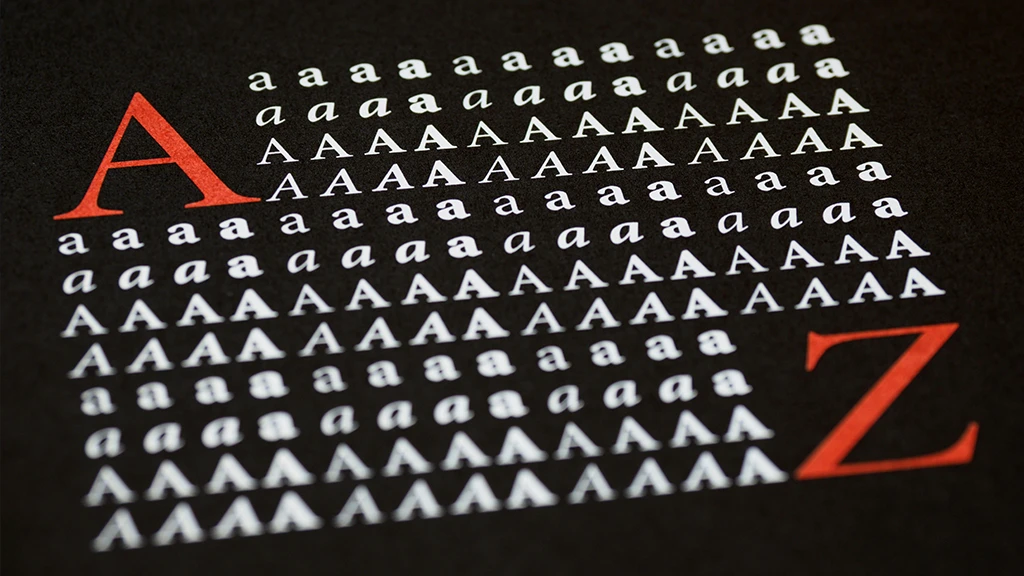
Typography: Using the right typography conveys a message about us. A serif font like Times New Roman, with its serifs at the ends of the letters, conveys seriousness, professionalism, and sophistication. However, these values don’t work the same way for an energetic and agile sports brand, where we would prefer a sans-serif font that better communicates these traits.
Symbolism: A very interesting tool, as it helps us create design patterns and recognition cues that reinforce our image. An example is Louis Vuitton, where its logo consists of the letters LV, but when we look at its products, we can see the repetition of three flower graphics, which have become identifying marks of the brand.
Tone and communication
The way we communicate should be appropriate, considering who we are, who we are speaking to, and what the message is. Otherwise, inconsistencies in our image can occur. To better understand this, think about the language a government institution would use in its communications. We can assume it would be cordial, friendly, respectful, and informative.
History and reputation
Brands with a history in the market will have interacted with the public throughout their journey, creating an image in society over time. For this reason, brands like Apple, with a history of innovation, have an image strongly associated with this value. Another way to influence the image is through association, by promoting the creation or sponsorship of events that share the brand's values. This is why we often see brands like Red Bull or Monster Energy sponsoring extreme sports.
What is the difference from corporate image?
It is common to confuse it with corporate image, as they not only have very similar terminology, but also share aspects that can lead to confusion.
To correctly differentiate between the two, we must understand that corporate image is focused on the aesthetic, visual, and symbolic aspects of the brand. It deals with elements such as the colors associated with the brand, typography, visual composition, and elements related to the brand, creating a unique visual universe that helps the brand position itself in front of the consumer.
An example of this is Coca-Cola, where most people can recognize a product from the brand by identifying the pattern of its corporate image.

Conclusion
The corporate identity defines the personality and image of the brand, allowing us to present the correct image to our target audience. For this reason, it is vital to take care of it.
It is composed of different values or characteristics that require various disciplines to be properly nurtured. For this reason, it needs different communication professionals working together with the same goal. To achieve this, the corporate manual is used, where the different guidelines to follow are explained.
It is important to both create the identity and apply it correctly over time in order to achieve a cohesive and consistent identity.


Leave a Reply